
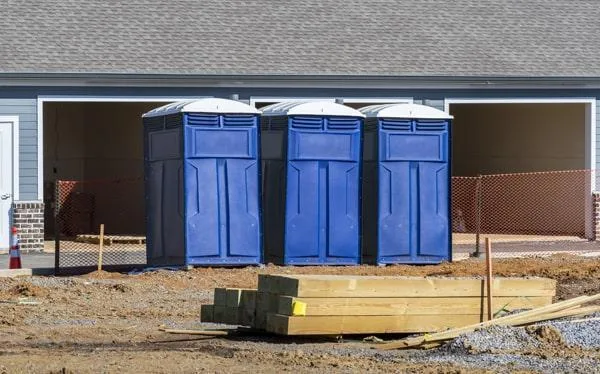
Choose facilities for the working area
Plan Dallas construction toilets for the busiest crew overlap and the site’s changing work areas.
A standard cabin gives workers an enclosed toilet with waste held for servicing. Identify whether one position serves all active areas or leaves a crew with a long, obstructed walk. Add a washing point and discuss accessible provision before the layout is fixed; these functions need usable space as well as an equipment line on the order.
Tie provision to the construction sequence
Describe the initial phase and when additional trades arrive. Mark where people work and how they reach facilities without crossing an active unloading or equipment route. Include finishing crews who may remain after the main contractor’s work appears complete.
Make service access a managed task
Name a superintendent or backup who can open gates and resolve a blocked route. Notify the provider before moving fencing or equipment. Ask for a revised plan when the workforce grows or the active site expands.
Agree what happens between scheduled visits
Ask the quote to identify tank emptying, interior cleaning and paper replenishment separately from delivery. A site contact should check condition and washing supplies, then report a problem through the agreed channel. That person also needs authority to clear the approach so a planned service visit can take place. Keep the same responsibility active through final collection.
Questions before you book
When should temporary toilets be removed?
When workers have suitable facilities available and the agreed pickup has been requested, not merely when one phase finishes.
Does adding a unit solve a blocked service route?
Additional capacity and usable access are separate decisions. Resolve the route and review equipment and care for the actual workforce with the provider.