
Explain the loading task as well as the material
Plan a Dallas dumpster request from the materials to be removed and the space available for collection.
A temporary container collects an agreed waste stream until the provider removes or exchanges it. Tell the provider whether people load by hand or equipment, how bulky pieces will be handled and whether dense material is involved. The offered container and loading rules must fit that task; apparent empty space does not override its weight or fill conditions.
Separate the debris types
Describe household contents, renovation material, yard debris or heavy construction waste. Ask which contents the offered container accepts and what needs another disposal route. Keep liquids, chemicals, batteries and uncertain items separate until their handling is confirmed.
Check limits and logistics together
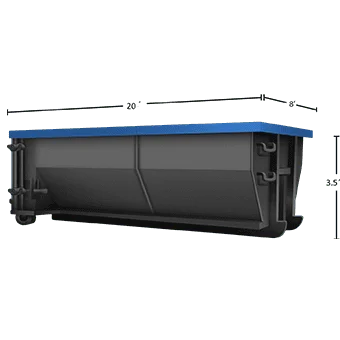
Ask for dimensions, weight restrictions and the fill limit. Assess the truck approach, overhead space and receiving surface, and obtain property or applicable public-space permission. Confirm rental duration, collection, extensions and additional-haul terms before loading starts.
Keep the agreed waste scope clear
Give every person loading the container the accepted-material instructions. Set uncertain items aside and ask for an appropriate disposal route before including them. The quote should identify delivery, rental dates, collection, disposal terms and any exchange or additional-charge conditions. Keep the truck approach usable until removal, even after the cleanup team considers the work finished.
Questions before you book
Can a dumpster and toilets sit beside each other?
Only with separate working space that keeps restroom access and servicing clear.
Can liquid restroom waste be put in a debris container?
No. Keep sanitation waste separate from ordinary debris and use the agreed authorized service for it. Confirm accepted materials with the dumpster provider before loading.